




Permanent Hair Colour at Home: Pro Tips and How to Make it Last
Want a lasting colour change without a salon visit? With the right products and a few professional techniques, you can achieve glossy, long-lasting permanent hair colour at home. This guide focuses on how permanent hair dye works, how long it lasts, and how to keep your colour looking fresh for longer with the right routine.
If you are new to colouring your hair at home, you can explore our complete beginner guide to hair colouring to understand the basics before getting started.
Sally Beauty makes at-home colouring simple. Shop a curated range of professional brands online or in more than 200 UK stores, including exclusives you will not find elsewhere. Enjoy free same day Click & Collect, Next Day Delivery and Pay in 3. In store, you will find support from trained product experts-many of them qualified hair professionals-ready to help you choose confidently.
What Is Permanent Hair Colour and Why Does It Last?
Permanent hair colour works by changing the internal structure of your hair. The developer opens the cuticle layer, allowing colour molecules to penetrate deep into the cortex, where they develop and lock in place. This is what gives permanent colour its long-lasting results and reliable grey coverage.
Expert Tip: "Hair that feels dry, rough or overly processed is usually more porous, which means it can absorb colour quickly but may also lose it faster. Using a bonding or strengthening treatment before colouring can help improve how evenly your colour develops and how long it lasts" - Jane Wanniaratchy - Head of Product and Technical Education – 30+ years Hairdressing experience & Nail Experience 20+ years
Permanent colour is best suited if you are looking for a more noticeable, longer-lasting change, whether that is covering greys, deepening your natural shade, or lightening your hair within a controlled range.

How Long Does Permanent Hair Colour Last at Home?
Permanent hair dye does not wash out completely, but it does gradually lose vibrancy over time. On average, your colour will stay fresh and glossy for around 4–8 weeks, while root regrowth can start to appear as early as 2–6 weeks, depending on how quickly your hair grows.
Expert Tip: One of the biggest reasons for early fading is overwashing. Reducing your wash routine and switching to colour-safe formulas can noticeably extend how long your colour looks fresh. - Rena Parrock - Education Design Team Lead – 30+ Years Hairdressing Experience
What affects how long your colour lasts:
- Your hair’s condition and porosity can significantly influence colour longevity, as more porous hair tends to absorb dye quickly but may also fade faster, especially if it has been previously lightened or heat-damaged.
- Previous colour and build-up can lead to uneven results, where some areas of the hair hold colour better than others, making fading appear patchy over time.
- Your daily routine and lifestyle habits, including frequent washing, heat styling, sun exposure or swimming, can gradually strip the hair of colour and reduce its vibrancy.
- The shade you choose also plays a role, as brighter tones like reds and coppers tend to fade more quickly, while deeper shades such as brunettes often retain richness for longer.
Most people maintain their colour by refreshing roots every 4–8 weeks while using glosses, toners or colour-depositing treatments to keep mid-lengths and ends looking vibrant.

Choosing the Right Permanent Hair Dye for Long-Lasting Results
Choosing the right shade and developer is key to achieving a result that not only looks good initially but also lasts longer.
Expert Tip: Staying within one to two shades of your natural colour is the safest way to achieve even, predictable results at home, especially if you are not using professional salon support. - Elke VanDaal - Education Designer – 20 + Hairdressing Experience – 20+ Nail Experience
How to balance undertones for better results:
- If your hair naturally shows warm tones such as gold or orange, choosing cooler or ash-based shades can help neutralise brassiness and create a more balanced finish.
- If your hair looks dull or flat, adding warmer tones like gold, honey or caramel can bring back dimension and shine.
- If you are unsure, starting slightly cooler or lighter gives you more flexibility to adjust the tone later using glosses or toners
Choosing the right developer strength:
- 10 volume developer is ideal if you are looking to deposit colour only, making it suitable for going darker or refreshing tone without lifting your natural shade.
- 20 volume developer is the most used option for at-home colouring, offering reliable grey coverage and the ability to lift your hair by one to two levels.
- 30 volume developer provides stronger lift for more noticeable colour changes, but should be used carefully to avoid dryness or damage.
- 40 volume developer is designed for high-lift blonding and is typically recommended for more experienced users due to its strength.
Expert Tip: For improved grey coverage, combining your chosen shade with a natural base (often labelled N or NN) helps create a fuller, more even result that lasts longer. The more grey hair you have the more natural base you will need to add in (often labelled N, NN or .0 or .00) - Rena Parrock - Education Design Team Lead – 30+ Years Hairdressing Experience
Always carry out a patch test 48 hours before colouring and a strand test to check how the colour develops on your hair.

How to Apply Permanent Hair Dye at Home (For Best Results)
The way you apply your colour has a direct impact on how even and long-lasting your results will be.
Before you start:
- Avoid using heavy oils or deep conditioning treatments just before colouring, as they can create a barrier and prevent the colour from developing evenly.
- Apply a barrier cream around your hairline, ears and neck to prevent staining and make removal easier after colouring.
- Mix your colour and developer exactly as instructed to ensure the formula works as intended.
- Section your hair into four even parts to allow for controlled, even application across the entire head.
Application tips for even colour:
When colouring your hair for the first time or going lighter, apply colour to the mid-lengths and ends first, leaving the roots until later as they process faster due to scalp heat.
For root touch-ups or grey coverage, apply colour directly to the roots in thin, neat sections to ensure full saturation and consistent coverage.
Expert Tip: Taking your time with sectioning and applying in small sections is one of the most effective ways to avoid patchy or uneven results. Make sure the sections are not too wide. you should be able to see the tint through the sectioned hair. - Jane Wanniaratchy - Head of Product and Technical Education – 30+ years Hairdressing experience & Nail Experience 20+ years

Processing and rinsing correctly:
Follow the recommended processing time carefully, as leaving colour on longer will not improve results and may cause unnecessary dryness.
Before rinsing, add a small amount of warm water and gently massage the hair to emulsify the colour, helping to distribute it evenly and enhance shine.
Rinse thoroughly until the water runs clear, then apply the post-colour shampoo to smooth the cuticle and lock in colour.
Expert Tip: the first shampoo should be a post colour shampoo as this stops the oxidisation of the colour and seals the cuticle to lock in the colour. This plays a key role in keeping your colour looking vibrant for longer. - Elke VanDaal - Education Designer – 20 + Hairdressing Experience – 20+ Nail Experience
How to Make Permanent Hair Colour Last Longer
Maintaining your colour is just as important as applying it correctly.
- Washing your hair less frequently, ideally two to three times per week, helps preserve colour and prevents it from fading too quickly.
- Using sulphate-free, colour-safe shampoos and conditioners helps protect your shade while keeping your hair soft and manageable.
- Adding a weekly mask or bonding treatment helps strengthen the hair and reduce colour loss caused by dryness or damage.
- Always using heat protection when styling helps prevent dullness and keeps your colour looking glossy.
Expert Tip: Rinsing your hair with cooler water can help close the cuticle, locking in colour and improving overall shine. - Rena Parrock - Education Design Team Lead – 30+ Years Hairdressing Experience

How to refresh colour without damage:
- Root touch-up products are ideal for maintaining regrowth without affecting the rest of your hair.
- Colour-depositing masks provide a quick way to revive tone and add shine between colouring sessions.
- Glosses and toners can refresh faded lengths without the need for permanent dye, helping to maintain condition.
Expert Tip: Avoid repeatedly applying permanent colour to your lengths, as this can lead to build-up, dullness and unnecessary damage over time. If the middle lengths and ends need refreshing then use a Demi Permanent colour that matches the colour on the roots. - Jane Wanniaratchy - Head of Product and Technical Education – 30+ years Hairdressing experience & Nail Experience 20+ years
Troubleshooting: Why Your Colour Might Fade or Look Uneven
If your colour is not lasting as expected or looks uneven, it is usually linked to a few key factors:
- Using a shade or developer that does not match your starting level or hair condition can result in inconsistent colour or faster fading.
- Application technique, including sectioning and timing, can impact how evenly the colour develops across your hair.
- Aftercare routines, such as frequent washing or using non-colour-safe products, can strip colour more quickly.
Expert Tip: If your ends look darker or duller than your roots, avoid reapplying permanent colour and instead use a gloss or toner to rebalance the tone. If the middle lengths and ends are darker then they would need colour correction to lighten and correct. They would need to go to the hairdressers! - Rena Parrock - Education Design Team Lead – 30+ Years Hairdressing Experience
Permanent Hair Colour Products
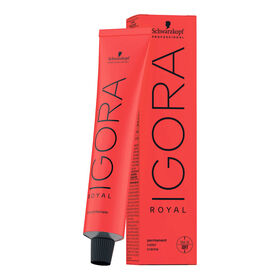
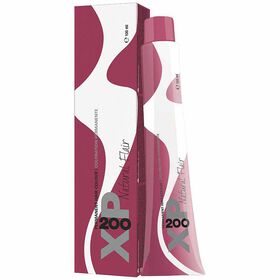
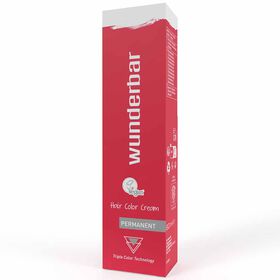
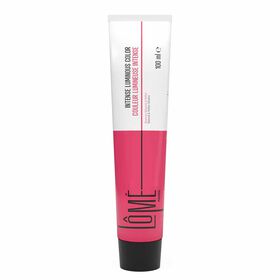
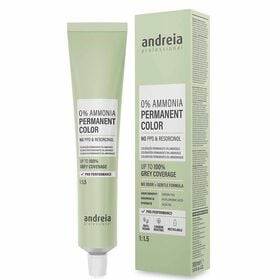
Permanent hair dye typically lasts between 4–8 weeks before fading, while root regrowth becomes visible within a few weeks depending on hair growth.
No, permanent colour does not fully wash out, but it will gradually fade and lose vibrancy over time.
20 volume developer is the most commonly used option for at-home colouring, as it provides good grey coverage and moderate lift.
Frequent washing, heat styling, UV exposure and high hair porosity are the most common reasons for faster colour fading.
Yes, but it is best to apply it to the roots only and refresh lengths with glosses or toners to avoid damage and uneven colour.